
Excerpts from: Some Recollections of the Visit of Sibelius to America in 1914
By Carl Stoeckel
PART IV SIGHTSEEING
[During the remainder of his visit, Sibelius, Carl, and Ellen Battell Stoeckel “motored” to Pittsfield by way of Canaan, Great Barrington, Stockbridge and Lenox. The trio along with Mr. Pain, also by automobile, visited Boston where they toured the New England Conservatory of Music and the Boston Public Library.]
The composer was astonished at the large number of organs and the careful arrangement for subduing the sound from the adjoining rooms and corridors.
We also went to the Boston Public Library which proved of great interest to the composer, he being especially interested in the Abbey and Sargent pictures, remarking that they were a wonderful mass of color and saying that he would
like to see them a hundred years from now when all this color had toned down. In the music room of the Library he was much gratified to find a complete edition of his scores.
[They returned to Norfolk by way of Providence, New London, Middletown, Hartford, and Winsted. The following days were spent taking “short automobile drives” and preparing for the annual meeting of the Litchfield County University Club, where former President William Howard Taft was the featured speaker. With the Stoeckles, Sibelius also drove through, Albany “in time for lunch and Syracuse for supper,” Rochester, Buffalo, and from there on to Niagara Falls. ]
He spoke with such reverence of Niagara Falls whenever he referred to it, that I could not help thinking that he might have inherited, in a faint way, the old Scandinavian feeling of the great phenomena of nature as the dwelling place of divinities.
[One of the last stops of his tour was New Haven, where the composer received an honorary Doctor of Music from Yale University.]
He inquired whether he would be expected to make a speech when he received his degree from the President and whether he had better make it in English or Latin. He spoke Latin with great precision and sonority and at once recited a short speech he had composed. We assured him, however, that he need not say anything.
PART V DEPARTURE
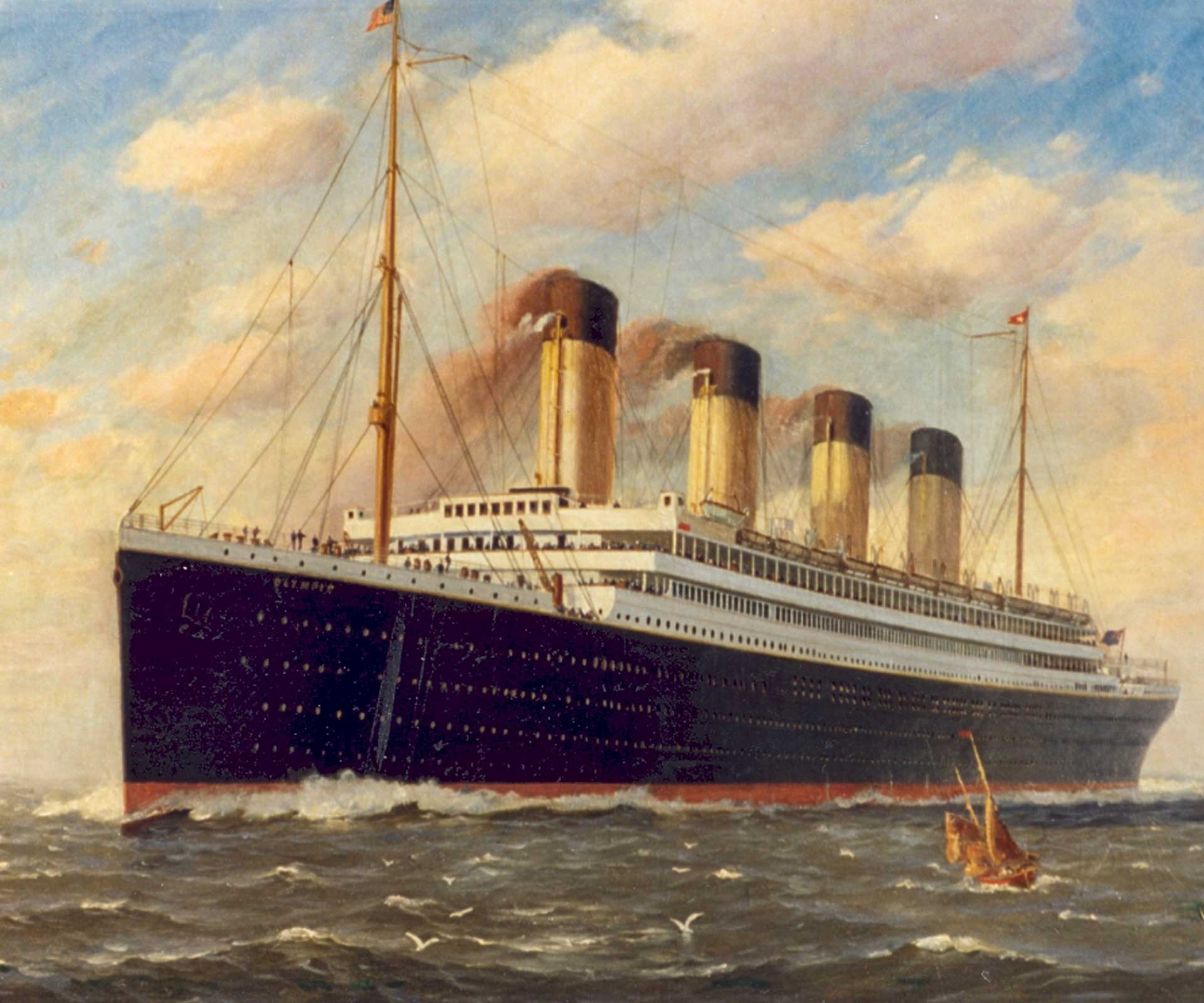
When Sibelius came to this country, he had no idea of the rush for return passage from here to Europe during the months of June and July, and he had not engaged return passage. When I advised him to see the Steamship people at once, soon after his arrival, he found that the only boats which would meet his dates in Europe where he was to conduct at Malmoe, Sweden, on July 4, were the Steamships Olympic and the President Grant. The President Grant was crowded; with not a berth to be had, while the Olympic had only one berth left in a second class cabin, so Sibelius purchased this berth as a last resort.
I suggested that with his permission I would take up the matter with the Hamburg American people as one of the officials was a personal friend of mine. He gladly allowed me to do so, and I went to the Hamburg American Steamship company and explained the matter. They were very obliging and said that they would give the matter consideration and report to me within a few days. This report was that a small state room with a single berth belonging to an officer could be had and Sibelius at once decided to take this state room.
On arriving at the dock we deposited his baggage in the state room and then went for an inspection of the boat. We found her extremely comfortable as far as we could judge at a hasty glance. We then returned to the state room to say farewell. We were all overcome and especially Sibelius, who kissed my wife’s hand several times, embraced me and shook hands cordially with Miss Wilds. We then saw it was a good time to leave and hastily withdrew as Sibelius sat down on his berth and closed the door, evidently wishing to remain alone. The next day we received by wireless two cordial messages from him, thanking us for the honor and pleasure of his visit, and to these two messages we sent an appropriate reply.
SOME RECOLLECTIONS OF THE VISIT OF SIBELIUS TO AMERICA IN 1914
Author(s): Carl Stoeckel and Jean Sibelius
Source: Scandinavian Studies , WINTER, 1971, Vol. 43, No. 1 (WINTER, 1971), pp. 53-88
Published by: University of Illinois Press on behalf of the Society for the Advancement of Scandinavian StudyStable